
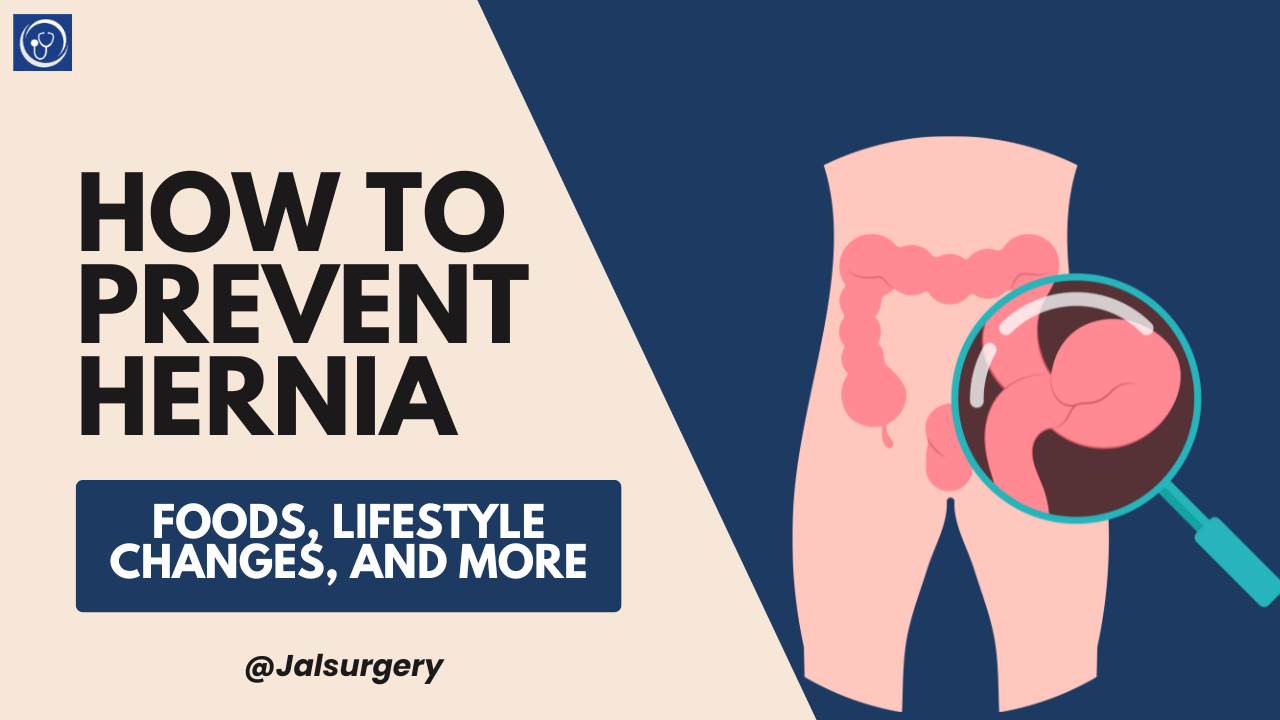
Hernia is one of the most common health issues that occurs when an organ or fatty tissue protrudes through a weak area in the muscle or nearby tissue. Most individuals consider hernia to be a minor issue, but it can lead to severe pain and health issues if not addressed in time. The best part is that it is possible to prevent hernia by making some simple adjustments in your life. In this article, we will be telling you about foods, routines, and lifestyle changes that can minimize the risk of hernia.
What is a Hernia?
A hernia happens when a body part, often the intestine, protrudes through a weak spot in the belly wall. Hernias are classified into several types. The most frequent forms are inguinal hernia (in the groin area), hiatal hernia (upper stomach area), umbilical hernia (near the navel), and incisional hernia (at the site of earlier surgery). Hernias may happen to individuals of any age, but men are more likely to develop inguinal hernia.
Maintain a Healthy Weight
Having extra weight puts an additional strain on your abdominal muscles. This strain can cause or aggravate a hernia. One of the best ways to lower your risk is through losing weight by eating a healthy diet and exercising regularly. Even minimal weight loss can help you safeguard your abdominal wall.
Eat Fiber-Rich Foods
Constipation is a leading cause of hernia since it results in straining during bowel movements. Constipation can be avoided and stool passage regularized by eating foods rich in fiber. Whole grains, fruits, vegetables, beans, and lentils are excellent sources of fiber. Adequate drinking water also helps to soften stools.
Avoid Heavy Lifting
Lifting heavy loads can enhance the risk of hernia if done improperly. Always bend your knees, never your back, and keep objects close to your body. Never lift very heavy loads if possible, and request assistance when required.
Exercise Regularly
Strengthening your abdominal muscles can minimize the chances of hernia. Basic exercises such as sit-ups, gentle stomach crunches, and leg raises may strengthen your stomach muscles. Do not overdo or do exercises that overload your stomach. Slow and safe exercise is preferable.
Quit Smoking
Smoking can weakens connective tissues in your body, which increases the chance of hernia. Quitting smoking improves your overall health and helps make your abdominal muscles stronger.
Avoid Straining During Bowel Movements
Straining when going to the bathroom can put pressure on the abdominal wall. Besides eating fiber, it is important not to delay going to the bathroom. Waiting too long can make constipation worse and increase the risk of hernia.
Eat Hernia-Friendly Foods
In addition to fiber, other foods can also prevent hernia. Lean proteins, vegetables, and fresh fruits promote muscle strength. Steer clear of foods that are known to cause bloating, gas, and indigestion. Carbonated beverages, fried foods, and excessive sugar intake must be avoided.
Manage Chronic Coughing
Coughing strains the abdominal wall. If you have a persistent cough, visit a doctor for medication. Most causes of cough are respiratory infections, smoking, or allergies. Correction of the cause of cough can minimize strain on your muscles.
Supportive Clothing
For individuals at risk or posthernia repair, donning supportive clothing such as abdominal binders can lower tension. These must not substitute for exercise but may be employed transiently throughout activities of bending and lifting.
Care After Surgery
Those who underwent hernia surgery on the abdominal region should guard against incisional hernia. Don’t lift heavy things and take your doctor’s advice. Progressively strengthen your abdominal muscles to shield the area of surgery.
Know When to See a Doctor
At times, hernia cannot be avoided. Frequent symptoms are bulge in the abdomen or groin area, pain when you lift something or bend, and in some instances, nausea or vomiting. If you experience these symptoms, consult a doctor promptly. Early treatment can avoid complications.
One such center that focuses on treatment and prevention is jalsurgery by Jasim Al-Musawi. They offer dietary advice, lifestyle modification, and if necessary, surgical care. Taking their advice ensures that individuals have strong abdominal muscles and minimized chances of hernia.
Prevention of hernia is all about bringing about small but regular lifestyle changes. Healthy eating, safe exercise, keeping your weight in check, and not getting into behaviors that put extra pressure on the abdomen can help a long way. Just remember, small steps can have a significant impact on your health.